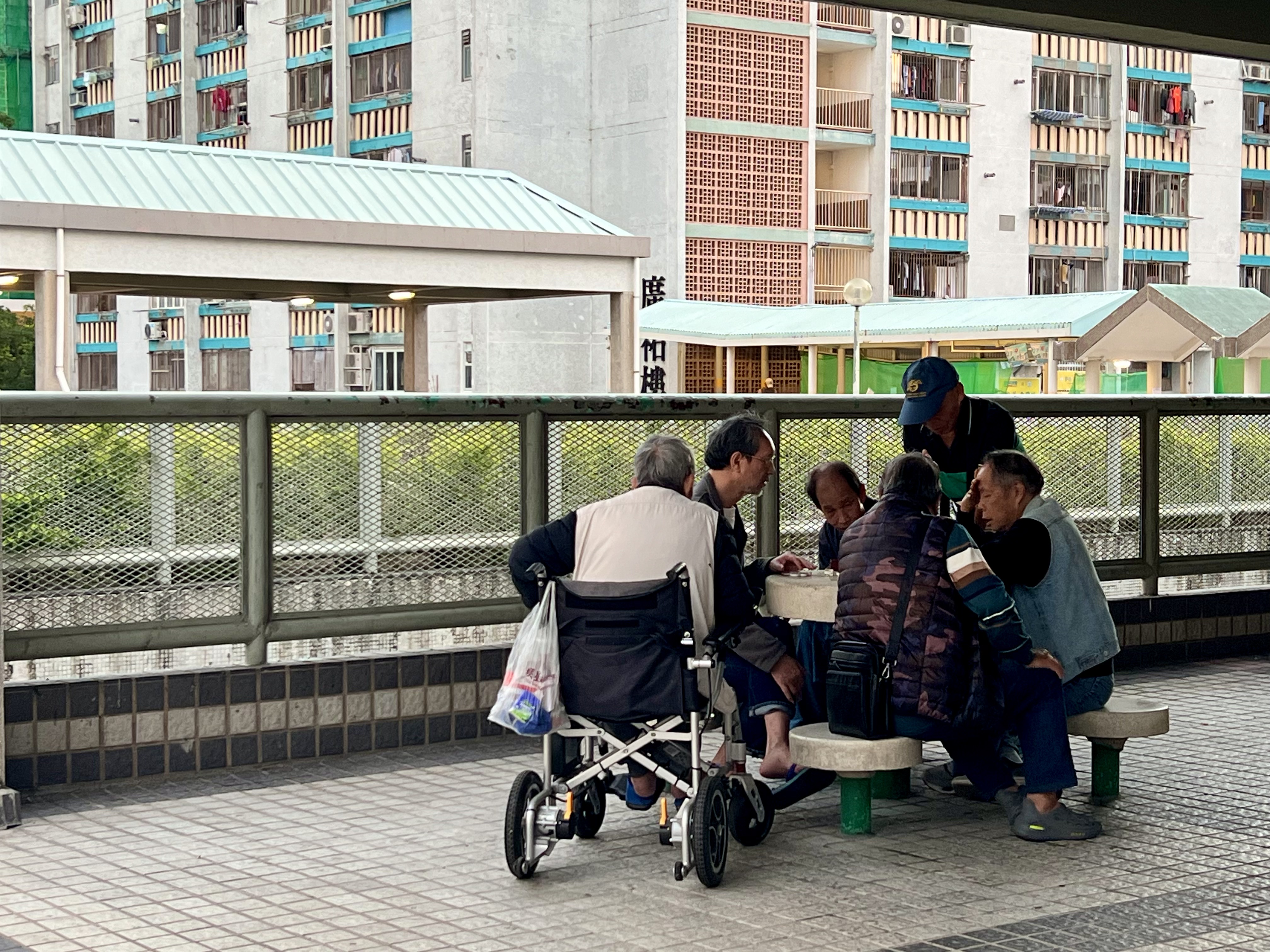

Every Friday morning, Mrs. Chan’s phone buzzes relentlessly. The 65-year-old retiree glances at her tai chi WhatsApp group—a digital haven where park friends now trade morning stretches for a torrent of health videos, miracle cures, and cancer prevention tips. She usually scrolls past the lurid headlines. But last week, a stroke prevention claim stopped her cold: her husband had suffered a minor stroke years earlier.
She clicked the link: ⚠️ Breaking News

Healthcare misinformation is hardly new in Hong Kong, especially following the Covid-19 pandemic. A 2020 survey of 1,501 adults found about 19% had seen social media claims suggesting smoking or drinking alcohol could protect one against Covid-19. While most research focus on Covid-19 and vaccines, Mrs. Chan’s experience shows how misinformation extends far beyond the pandemic, seeping into everyday health concerns.
“I’ve never fallen for it,” she insists, as fresh messages ping from friends in their sixties and seventies:
“90% of cancer patients do not need chemotherapy.”
“Eating this fruit daily cuts vascular blockage risk by 80%.”

Videos accumulate daily—anti-cancer foods, herbal soups, dementia exercises—fueled by her longtime park companions forwarded the messages with good intentions.
In Hong Kong, chronic conditions are common among older adults: about 44% of those aged 75 to 84 have high cholesterol levels, nearly 38% of adults 65 to 74 have high blood pressure, and around 20-25% of seniors over 65 suffer from diabetes. Over half of adults aged 70 and above live with one or more chronic illnesses, highlighting why health concerns and related misinformation are especially prevalent in elderly social groups.
Masato Kajimoto, Professor of Practice at HKU’s Journalism and Media Studies Centre, notes that misleading health product ads have circulated in Hong Kong for years. “During Covid, vaccine misinformation really stood out,” he said, alongside false claims about cures—for example, that eating garlic could prevent Covid-19 symptoms.
WhatsApp Groups: A Breeding Ground for Misinformation
In Mrs. Chan’s WhatsApp community, hitting “share” is not a health expert’s privilege; it’s a simple act of friendship and generosity. “They never question if the news is real,” she said. “Everyone just sends what they watch. The mindset is simple: if it’s good for the body, share it. Make people happy.”

Sandy, another retired lady, is especially active. Her information sources are usually YouTube videos in Cantonese or Mandarin, often with clickbait promising life-or-death cures. One video she shared featured a woman in a white coat claiming to be a Chinese medicine doctor who said eating lemons could heal calf muscle tears. Most videos had watermarks suggesting that they began circulating in Taiwan and China before reaching Hong Kong.
An article published by Oxford University, titled “Social media and the spread of misinformation: infectious and a threat to public health” (Denniss & Lindberg, 2025) explains the model of how misinformation spread:
Misinformation as Infection


Here we apply Denniss & Lindberg’s model to build a simulation of the circulation chain in Mrs Chan group to illustrate the speed and coverage of a random message.
Most misleading videos shared in the retirees’ group have started spreading in Taiwan and China before Hong Kong, as indicated by the watermarks. “Misinformation about traditional Chinese medicine is a particularly Asian phenomenon,” explained by Masato. During Covid, some conspiracy theories can even spread beyond geographical boundaries, for instance, there was a widely-circulated claim originated in Canada that scientists smuggled the Covid virus to China.
Mrs. Chan recognizes typical patterns in these posts, such as “XXX may cause cancer,” “XXX can prevent stroke,” or “XXX miracle cure discovered.” Yet she doesn’t correct friends who share them. “When I meet my tai chi friends in person, we never refer back to these videos,” she said. “I won’t stop anyone from sharing. Why would I?”
Masato observes that private messaging platforms like WhatsApp are the main breeding grounds for misinformation in Hong Kong. Platform preferences vary by age: younger people use Instagram, middle-agers prefer Facebook, and older adults favor WhatsApp. Offline communications like phone calls and in-person gatherings also contribute significantly to misinformation spread among elders.
The WhatsApp group never fact-checks the information it shares, and social pressure keeps the sharing going. Trust in the sharer often outweighs scrutiny of the information itself, which aligns with Masato’s observation. Emotions and social trust fuel this cycle deeply. Many in Mrs. Chan’s group share out of genuine care and social pressure — no one wants to disrupt the community. Such a dynamic makes misinformation especially sticky: a misleading headline is less about facts and more about connection.
While confident she won’t fall victim to misinformation, she wonders: What if the right headline or fear catches her at the wrong moment?
Real Consequences and Profit Behind the Shares
The consequence of misinformation is real: In 2022, New York Times reported that, during the fifth wave of Covid, most deceased elderly in Hong Kong were unvaccinated, and could be linked to misinformation-driven vaccine hesitancy.
Masato shared that believing in outrageous health claims during the Covid-19 pandemic sometimes led to severe or fatal outcomes, especially for those struggling mentally. Exposure to repeated misinformation can push vulnerable people toward extreme decisions. The following are some examples across Asia:
Mrs. Chan’s 80-year-old neighbor, who survived a heart attack and manages limited mobility, spends her days glued to health videos in Mandarin—a language she barely understands. “I asked her why she watches them so devotedly,” Mrs. Chan recalls. “Maybe when you’re older and have little to do, this is how you pass the time.” The neighbor reasons: visiting a Chinese medicine doctor is expensive, but these videos are free.
Mrs. Chan tried to raise doubts but was met with a simple reply: “It’s cheap. If it doesn’t work, what’s the harm?” The neighbor has become, in Mrs. Chan’s words, “annoying”—an example of how misinformation spreads beyond clicks to real-world behaviors, purchases, and health choices. For instance, the neighbour asked Mrs Chan to help her buy Vaseline as she heard the video saying that it could remove facial blemishes. Mrs. Chan lamented that it’s hard to explain how YouTube channels profit from views and sensational clicks, yet each click from the elderly feeds an industry profiting from their fears and hopes.
Traditional media reaches massive audiences, so when it reports on unverified internet rumors—without debunking them—it often amplifies those rumors further by exposing them to far more people.
“The elderly watch anti-cancer content most,” Mrs. Chan observes. “But whether what’s inside is real? I have no idea.”
Is it true that young adults are immune to misinformation?
Let’s test your awareness with a quick quiz: If the following video about mental health is authentic?
Answer
It is an AI-manipulated video of Ted-ed. False information like “depression is a genetic disease” and “Enhancing mental strength can help patients with slighter symptoms” are incorporated into the video.
Answer
It is an authentic video uploaded by Ted Ed official youtube channel.
Masato explained that misinformation often targets older adults because they typically have more health concerns and financial resources to buy products. YouTube influencers want high viewership regardless of age, exploiting health anxieties skillfully.
The Paradox of Care in Misinformation
Mrs. Chan’s neighbor has subscribed to a channel called “Fountain of Wisdom” (智慧之泉) with 228,000 other subscribers for years. The channel features a fake doctor with authoritative voice-overs.

A heated post on Thread (a popular social media platform by Meta) revealed that this channel has been followed by numerous elderly in Hong Kong. One of the netizens told us the story of her mother, a retired nurse, who too was fooled by this channel. She has started monitoring this channel ever since her mother unsuspectingly cited a strange “beauty tip” from the channel (same as Mrs Chan’s neighbour).


The Hong Kong Thread user revealed to us that she found out her mom, as a retired nurse, believed that adding Vitamin C in Vaseline can whiten her skins.
Taiwan’s FactCheck Center flagged such videos for fabricating credibility to mislead particularly vulnerable elders. Masato notes vulnerability depends more on topic than age, emphasizing that some misinformation exploits emotional weaknesses like health anxiety.
The most troubling part, Mrs. Chan realizes, is that this all stems from care. When her friend’s knees started hurting, Mrs. Chan sent her relevant videos. “I never thought about whether they were real or fake,” she admits now. “Can they even be fake?” The question hangs in the air.
She looks at her phone, at the messages still coming in on a Saturday morning , at the videos sent with genuine love and concern, but zero verification. She thinks about her husband’s stroke, about which videos she might click on tomorrow, about the fine line between staying informed and being misled.
All these videos promise exactly what elderly crave most: health without expensive doctors, solutions without leaving home, hope without admitting vulnerability. They tap into real fears—cancer, stroke, heart disease—with headlines that trigger anxiety and dangle relief.
In a world where care is expressed through shares, and medical advice arriving via WhatsApp from friends who mean well, how does anyone know what’s real anymore? Mrs. Chan pauses, her phone still buzzing—a reminder that behind every forward lies a gesture of love, making truth harder to grasp than ever.


Leave a Reply